
Is HMDD’s Price Tag Justified? Breaking Down the Value for Shoppers
Those currently browsing the streetwear space repeatedly land on one question: does HMDD genuinely deliver design and build quality measured against what it costs? The brand — full name Happy Memories Don’t Die — has cultivated a loyal audience around graphics that hit an emotional nerve, a memory-tinged style, and a wardrobe that leans heavily on comfort-first basics like sweatpants, shorts, hoodies, and tees. Yet a catchy name and mood board don’t resolve the value question. This article breaks down what the real cost covers when you buy HMDD clothing, where the value checks out, where it falls short, and how it compares to comparable streetwear labels in 2026.
Separating the branding from the product is essential to any honest hmdd review. The brand leans on a specific sentimental pitch — the notion that memories outlast everything, that clothing can hold meaning as well as style. That’s a strong hook, yet people committing their budget still want proof that construction and material quality are worth the cost. Here we assess construction, sizing consistency, drop frequency, and resale demand for a grounded, honest picture instead of merely repeating its own pitch.
Where the Money Actually Goes
Occupying the middle of the streetwear market, HMDD charges above standard mall pricing while falling short of hype-fueled luxury pricing. That middle placement is the point where comparisons get tricky, since shoppers measure it against both ends of the spectrum. The better yardstick is other independent streetwear labels operating at similar scale — not fast fashion, and not designer collaborations.
Cost comes down to three things: fabric weight, print/embroidery technique, and limited-run scarcity. Sweatpants from HMDD generally come in thicker fleece materials compared to a basic big-box hoodie set, impacting both drape and shape retention through repeated washing. As for the graphics, frequently the emotional anchor of the branding, it essential hoodie relies on processes sturdier than a simple heat-transfer job — important if the piece gets weekly wear.
Limited drops also factor into cost. Reduced batch sizes mean less per-unit cost efficiency than a mass retailer enjoys, and the difference lands on the customer’s price tag. That’s typical throughout the independent streetwear space, not unique to HMDD, but it deserves to be said plainly because it clarifies why HMDD costs more than large chains.
The Sweatpants-and-Shorts Lineup: The Real Value Check
For the majority of shoppers, hmdd sweatpants and hmdd shorts serve as the starting spot into the brand, and they’re also the best test of cost-effectiveness because they’re used regularly and washed frequently. Sweatpant styles live or die on three things: how well the waistband holds its stretch, how much the fabric pills with wear, and whether the fit remains accurate after a dozen wash cycles. Shorts get assessed on drawstring durability, inseam seam strength, and whether the material resists fading after frequent laundering.
Shoppers consistently note that HMDD’s sweatpants fit true to size with a loose through-the-leg cut rather than a narrow taper, which makes a difference if you’re used to sizing charts that skew narrow. A comparable easy fit shows up in the shorts too. Few shoppers give this kind of consistency enough credit — a brand that fits reliably across drops spares you the trouble and expense of sending items back, which is its own form of value even before you factor in the sticker price of the garment.
Here’s where things get more compelling is how often customers buy again. Rather than buying once and jumping to a competitor, satisfied HMDD sweatpants buyers tend to return for more — shorts, hoodies, and beyond. That’s a reasonable stand-in for how happy customers are, since streetwear shoppers have no shortage of alternatives and don’t stay loyal for subpar items.
How HMDD Stacks Up Against Comparable Streetwear Labels
Figures anchor this discussion better than descriptive words can. Here’s a framework for comparison across categories that matter most to budget-minded shoppers: price positioning, fabric heaviness category, print/graphic durability, release frequency, and consistency of fit. These are comparative rankings based on general category positioning rather than brand-specific claims not provided by HMDD directly, and they’re meant to give you a general sense of direction rather than serve as exact specs.
| Category | Budget/Mainstream Streetwear | HMDD Clothing | High-End/Designer Streetwear |
|---|---|---|---|
| Typical Price Bracket | Budget-Level | Mid-Range | Elevated to Premium |
| Material Weight | Light to Mid | Mid to Heavy | Heavyweight |
| How Long Prints Last | Low to Mid | Moderate to Strong | Strong |
| Drop Frequency | Constant | Occasional and Limited | Seasonal and Scarce |
| Fit Consistency Across Releases | Variable | Mostly Reliable | Reliable |
This comparison isn’t about naming a clear winner — it’s meant to indicate where HMDD sits within the category. It isn’t going up against $15 fast-fashion sweatpants, nor is it attempting to pass as a $300 designer hoodie. It sits in the space where fabric and print quality noticeably improve over starter-level basics, without asking shoppers to pay luxury-tier prices for the improvement. For many shoppers, that middle lane is exactly the value offering they’re seeking.
HMDD’s Best Everyday-Value Selections
Joggers and shorts lead the pack because they’re worn in casual settings, during exercise, and even around the house, spreading the cost across a wider range of wears than an eye-catching hoodie you hold back for certain fits.
- Sweatpants: frequent wear frequency, easygoing fit, strongest cost-per-wear value in the lineup.
- Shorts: reliable warm-weather go-to item, comparable fit reasoning to the sweatpants.
- Printed hoodies: elevated price point but slower wear-out due to less frequent rotation use.
- Tees: cheapest entry point, good for testing sizing before buying bottoms.
Starting with a tee is a savvy tactic if you’re unfamiliar with hmddla and unsure how its size range compares with your typical fit. This step-by-step approach is common advice among streetwear fans dealing with any smaller brand with tight exchange periods.
Where the Value Falls Short
No brand is flawless, and cost-benefit reviews don’t help much if they only list positives. The most common friction points shoppers mention about HMDD revolve around drop scarcity — when a design sells out, it may fail to return on a predictable schedule, which can disappoint buyers who let a release pass them by. That’s a genuine downside in accessibility, even if it doesn’t appear on a receipt.
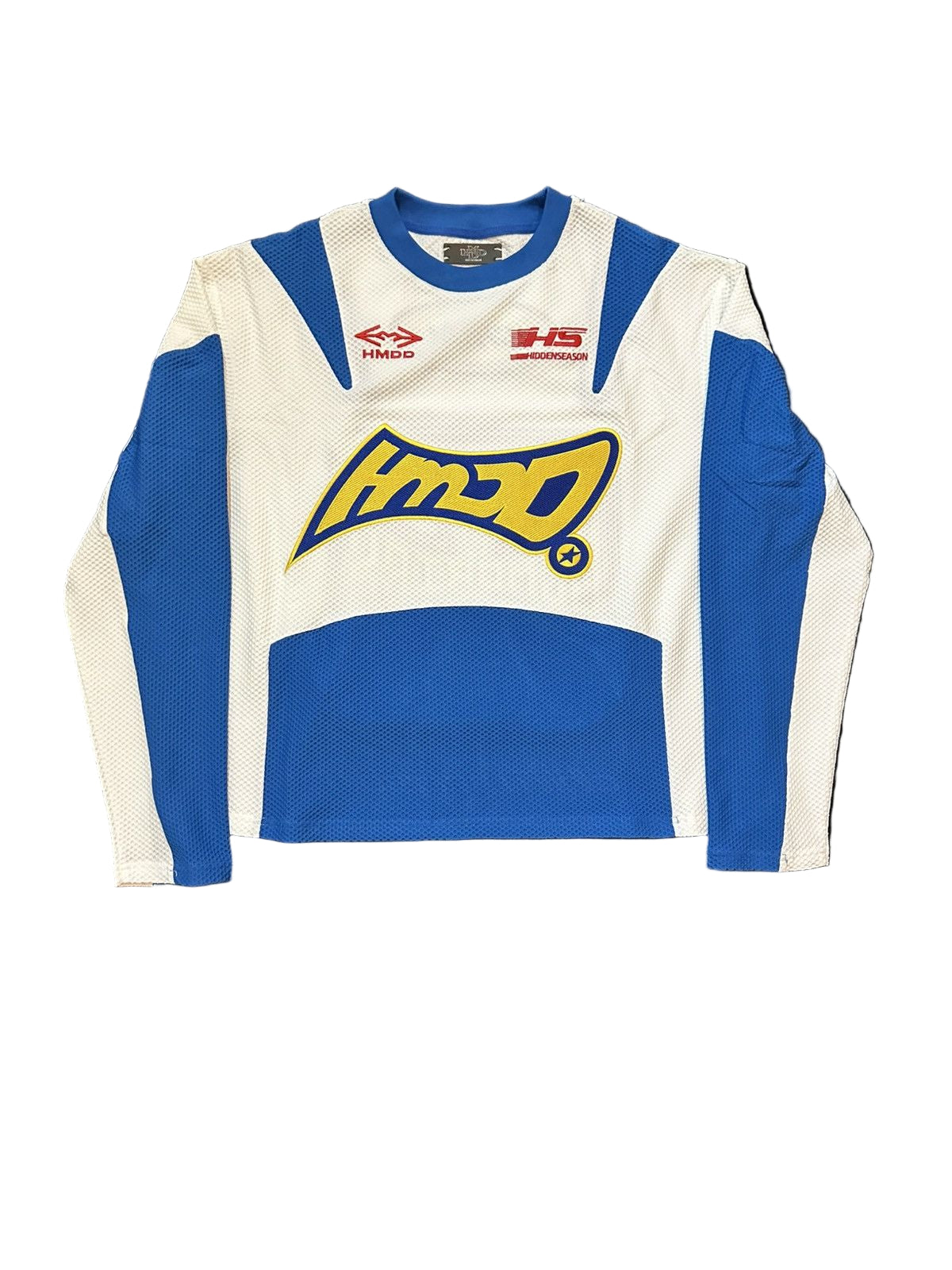
Shipping timelines and return windows are the other area shoppers should factor into their value math. Nothing here is exclusive to HMDD, but it’s part of the actual tradeoff of buying from a compact, design-focused brand rather than a large-scale retailer with large-scale shipping operations.
Closing Thoughts: Should You Buy HMDD?
Especially the sweatpants and shorts provide excellent per-wear value because they’re adaptable, reliably fitted, and durable to frequent laundering better than budget basics. The “happy memories dont die” ethos isn’t just branding fluff — it shows up in creative decisions that prioritize meaning and lasting quality over short-lived trend cycles.
The place where you need to hold back is if you’re anticipating designer-level craftsmanship at mid-range prices, or if you depend on assured restocks and ample return windows. Such perks simply aren’t selling points of the limited-release approach that HMDD runs on, and no truthful assessment should suggest otherwise. After balancing your own preferences — price relative to wear, design alignment, and patience with scarce restocking — against what HMDD provides, resolving the cost-benefit question gets considerably more straightforward for your particular situation in 2026.